Their draft slots are: Round 1, No. 18; Round 2, No. 49; Round 3, Nos. 82 and 97 (compensatory); Round 5, No. 163 (via the Eagles); Round 6, No. 196 (via the Colts); and Round 7 at Nos. 234, 235 (via the Panthers), and 244 (via the Texans).
Analysts expect Minnesota to pursue a “best player available” approach while prioritizing defensive contributions from a young group. Some projections suggest the first-round pick could be used to add a tackle to protect key blockers, especially given the health and contract timeline of left tackle Christian Darrisaw and right tackle Brian O’Neill.
A round-one tackle would represent a prudent insurance plan for Darrisaw’s health and O’Neill’s upcoming extension, even if it would mark a departure from the Vikings’ recent BPA emphasis. The depth at other positions in this draft class could influence whether Minnesota shifts early or leans toward later upside.
Beyond traditional draft talk, there has been discussion about Kyler Murray as a potential pathway to an immediate upgrade. Analysts note that Murray, if healthy, could lift Minnesota’s offense alongside star receivers Justin Jefferson and Jordan Addison and tight end T.J. Hockenson, all while carrying a favorable cap hit this season.
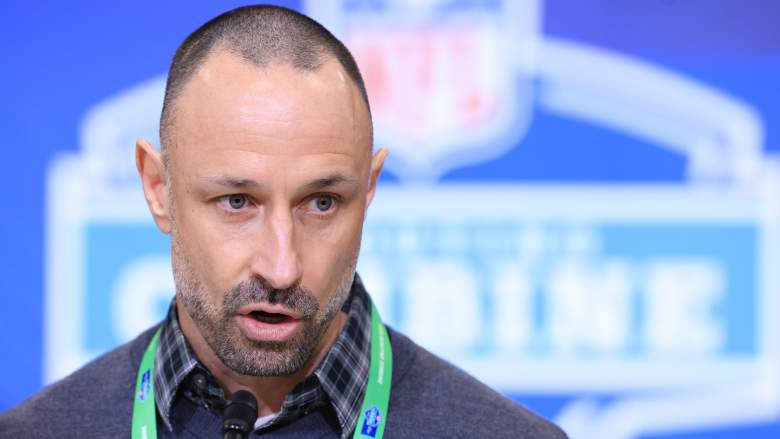
Ultimately, the Vikings appear to be pursuing a dual strategy: add impactful young defenders through multiple picks and keep open the possibility of quarterback upgrades, guided by interim GM Rob Brzezinski’s leadership and a commitment to maximizing value from a deep, versatile draft.