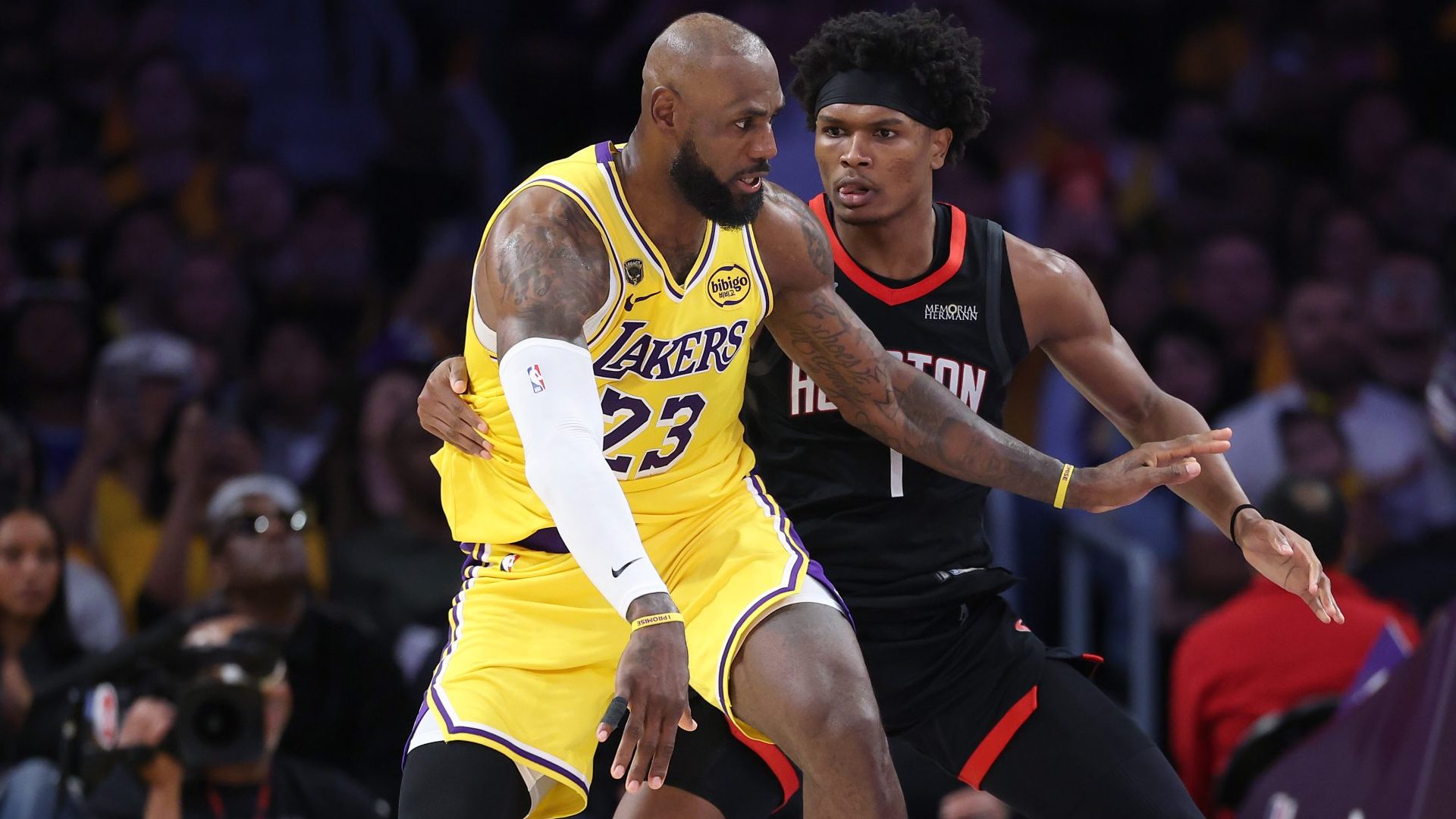
Game 1 is set for Saturday, April 18, with a 5:30 p.m. tip-off on ABC. Game 2 follows on Tuesday, April 21 at 7:30 p.m. on NBC, and Game 3 is scheduled for Friday, April 24 at 5:00 p.m. on Prime Video. Game 4 would be on Sunday, April 26 at 6:30 p.m. on NBC, with Games 5, 6 and 7 (if necessary) set for April 29, May 1 and May 3, all TBD in terms of network and time.
By comparison, the Nuggets–Timberwolves series has two-plus days of rest before only Games 3 and 6, while the Spurs–Blazers series features the same pattern before only Game 3. The Spurs–Blazers slate also begins a day earlier and, in the overall timeline, finishes a day earlier than the Lakers–Rockets sequence.
Several NBA writers and fans highlighted the pattern, suggesting the scheduling choices effectively extend the Lakers’ series to maximize exposure and potential playoff run time. Analysts and observers pointed to the two-plus days of rest before key Games 2, 3 and 5 as a notable deviation from typical first-round pacing, with some noting the broader implications for the West playoff picture. A Rockets fan and others also argued the schedule should not stretch a seven-game series over more than two weeks.
In related notes, reports have indicated Luka Dončić and Austin Reaves were targeting a return for Game 3 on April 24, though Lakers coach comments offered no firm timeline. Dončić (grade 2 hamstring strain) and Reaves (grade 2 oblique injury) were originally projected to miss about four weeks, but some reporting suggested a potential return window opening for late April. Windhorst has floated the possibility that Reaves could return before the end of the month, pending the team’s health and medical staff decisions.
If Houston can push the series to 3-0, the question of a return becomes less pressing; conversely, LeBron James and his teammates will rely on any available star guard to extend the series. Regardless, the scheduling pattern has added a new layer to conversations about playoff fairness and how on-court action interacts with rest and recovery. The discussion reflects broader debates about competitive balance and the interpretation of league-wide scheduling decisions as the postseason unfolds.