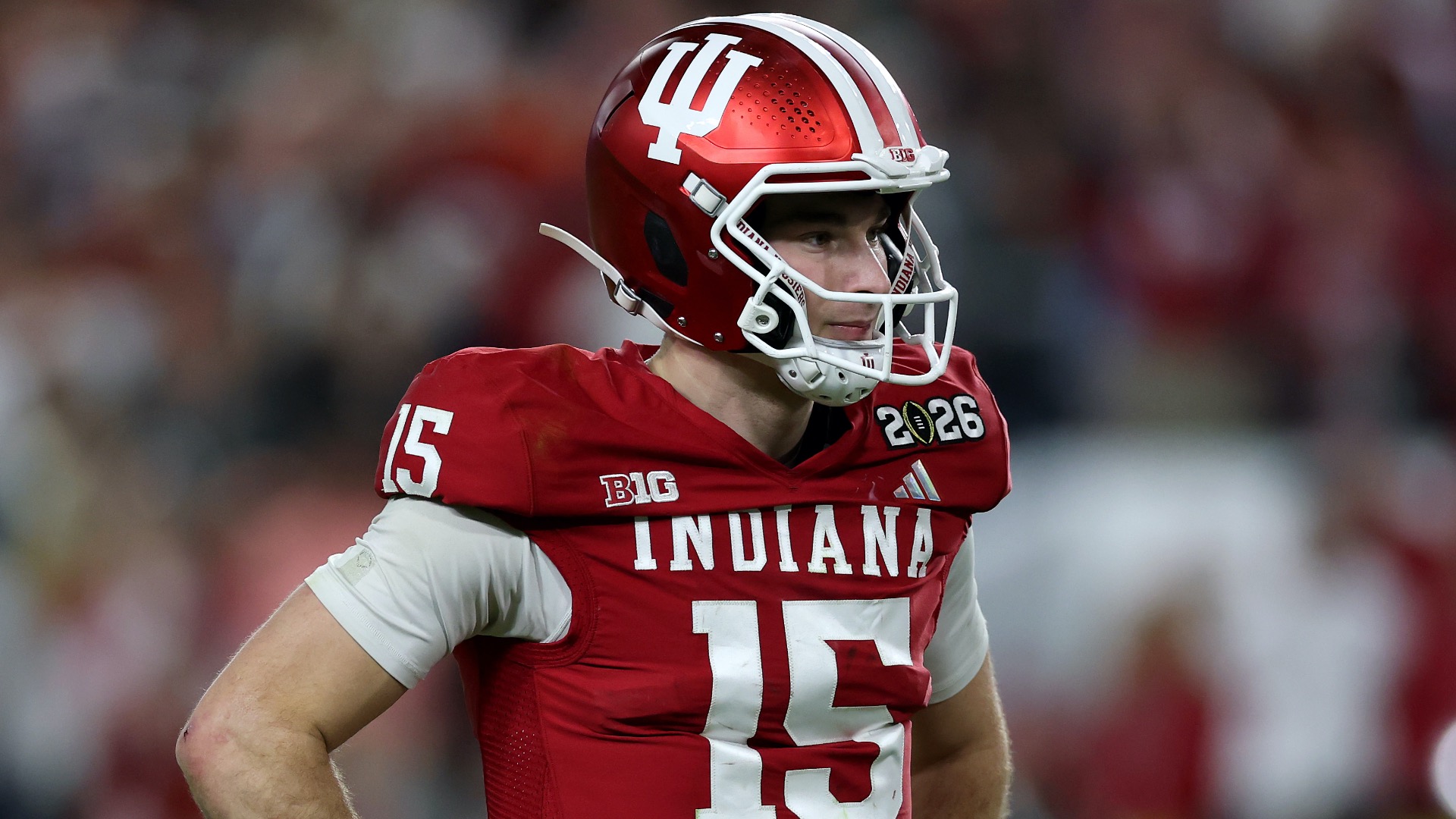
In this scenario, a proposed deal would see the Cardinals send picks 34 and 65 to the Dolphins for 30 and 94, enabling Arizona to move up to the No. 30 spot and target Simpson, while securing his fifth-year option. The move would be aimed at ensuring Simpson lands in a Gotham or Arizona system that values immediate potential at quarterback.
The stakeholders in this chess match are clear: Arizona owns the No. 3 overall pick in Round 1, while the Jets hold both No. 2 and No. 16. NFL insights suggest the Jets may not select Simpson in the first round, which opens the door for a Day 2 scenario if Simpson slides.
If Simpson does land in Day 2 territory, the Jets would hold substantial leverage with the No. 33 overall pick, giving them influence over whether Arizona can get ahead of New York to secure the signal-caller before the Jets pick again.
Mock draft results tied to this storyline place the Jets in a dual first-round role and then shift to Day 2: the Jets would reportedly take David Bailey at No. 2 and Omar Cooper Jr. at No. 16, before targeting a linebacker at No. 33 and a cornerback at No. 44 if the run continues. These selections reflect a preference to bolster the defense while watching the quarterback market unfold.
Overall, the dynamic remains fluid as teams weigh quarterback-needy strategies, trade opportunities, and the value of the fifth-year option. The Jets and Cardinals are positioned as primary players in this ongoing, high-stakes pursuit of Ty Simpson.