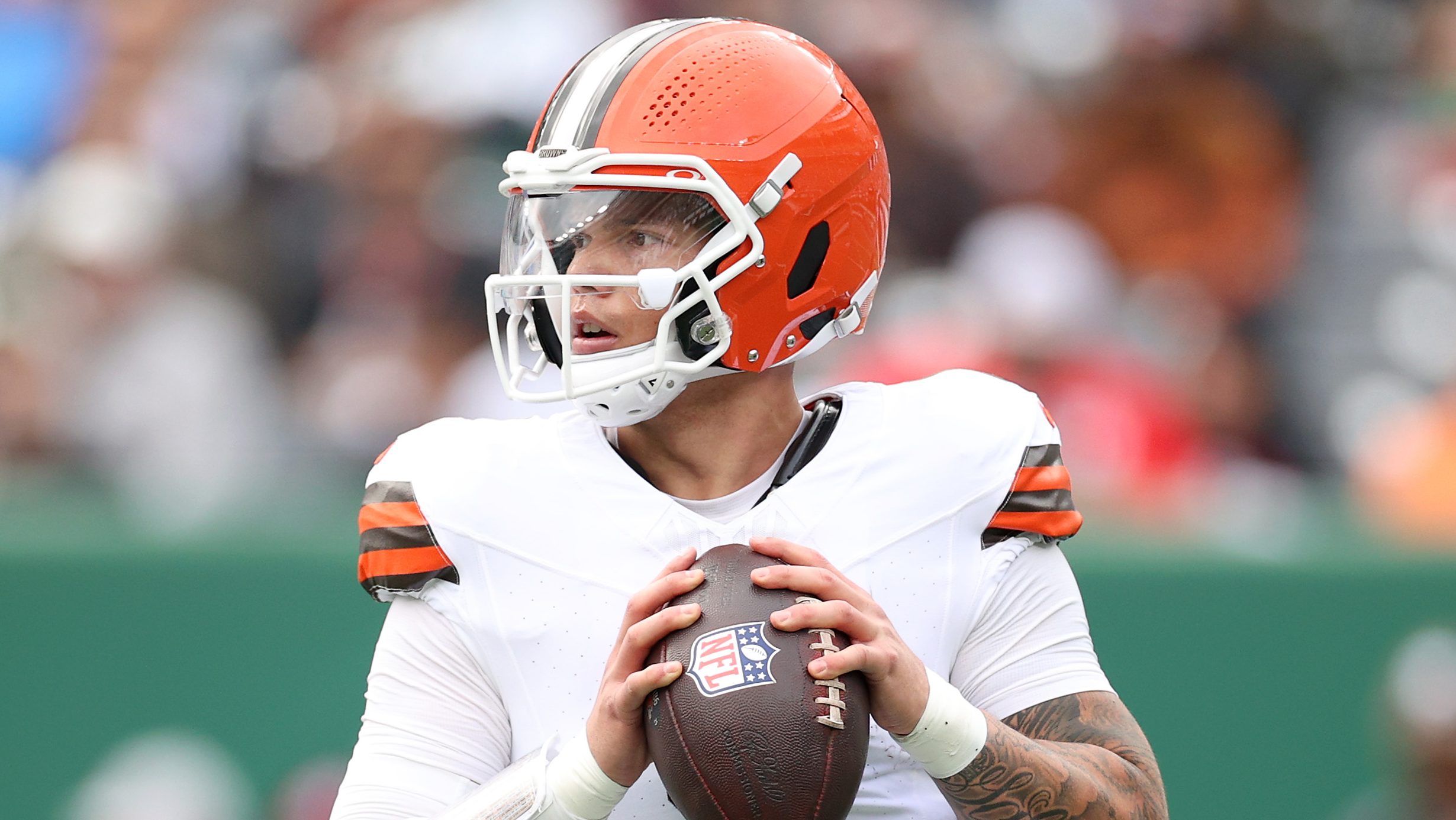
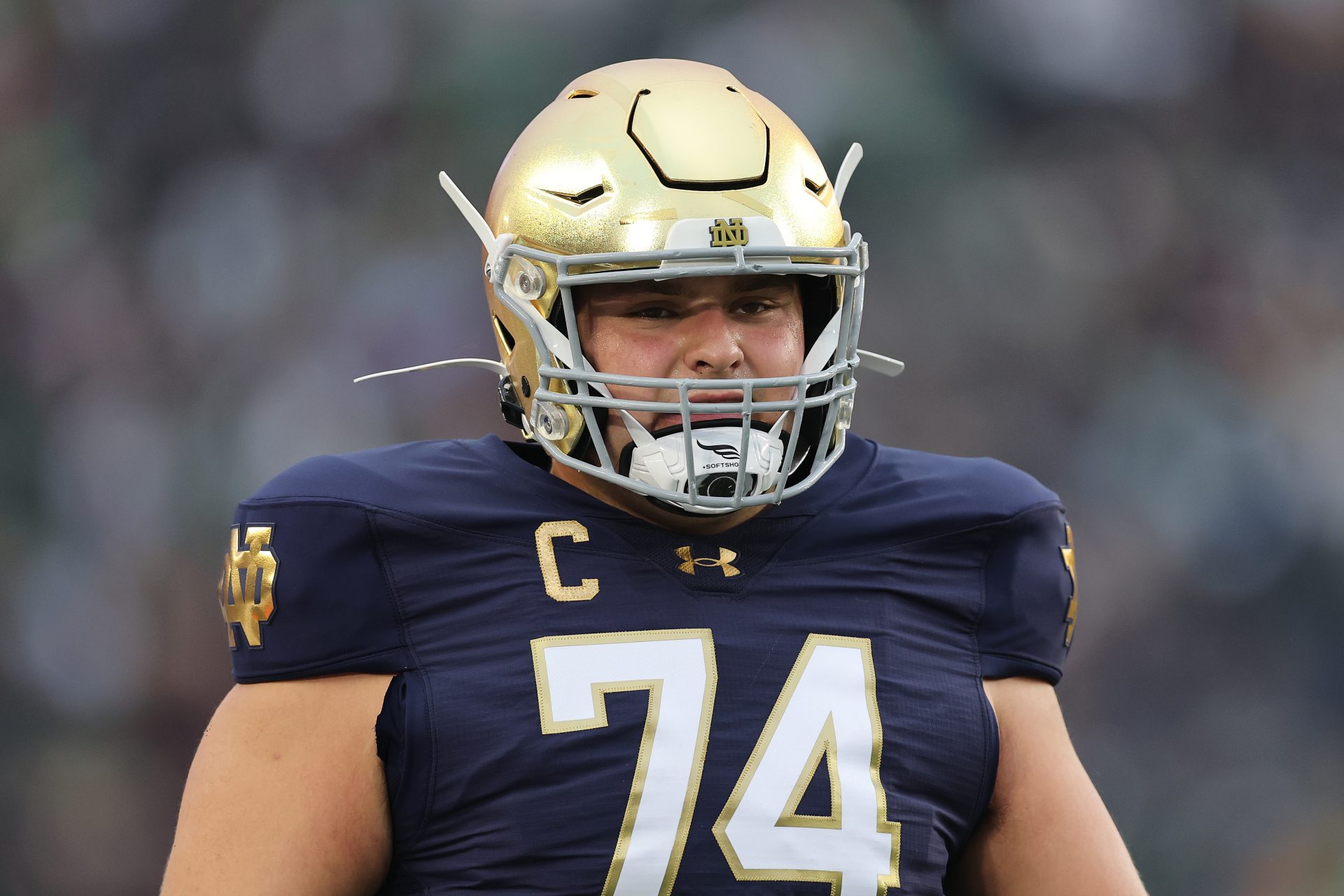
The drama centered on Crosby’s potential return to Michigan and a pairing with Aidan Hutchinson in Detroit. While that pairing would have formed a formidable edge, the Ravens’ offer proved too rich for Las Vegas to decline, reflecting Crosby’s peak value and the immediate impact he could have on Baltimore’s defense alongside Lamar Jackson and company.
Heading into the weekend, Chicago had been viewed as Crosby’s most likely destination by some analysts, with several predictions placing the Bears at the forefront due to their cap space and offensive-firepower additions. Those scenarios suggested the Bears could leverage cap room and draft assets to bolster their pass rush, potentially reshaping the NFC North’s balance.
In a broader context, Crosby’s move avoids an intra-NFC clash with Detroit and keeps him away from longtime rivals. For the Lions, the trade’s outcome represents a silver lining, as Crosby will not be rejoining an NFC North opponent or immediately reshaping divisional dynamics. Detroit, meanwhile, must continue its search for an elite edge defender to pair with Hutchinson.
Overall, Crosby’s trade to Baltimore marks a significant shift for both teams and reinforces the Ravens’ championship-focused approach. For Detroit, the emphasis now is on fortifying the edge-rush talent around Hutchinson to sustain a competitive defense in a crowded conference. Teams will monitor how Crosby’s presence in Baltimore influences the league’s pass-rush landscape in the seasons ahead.