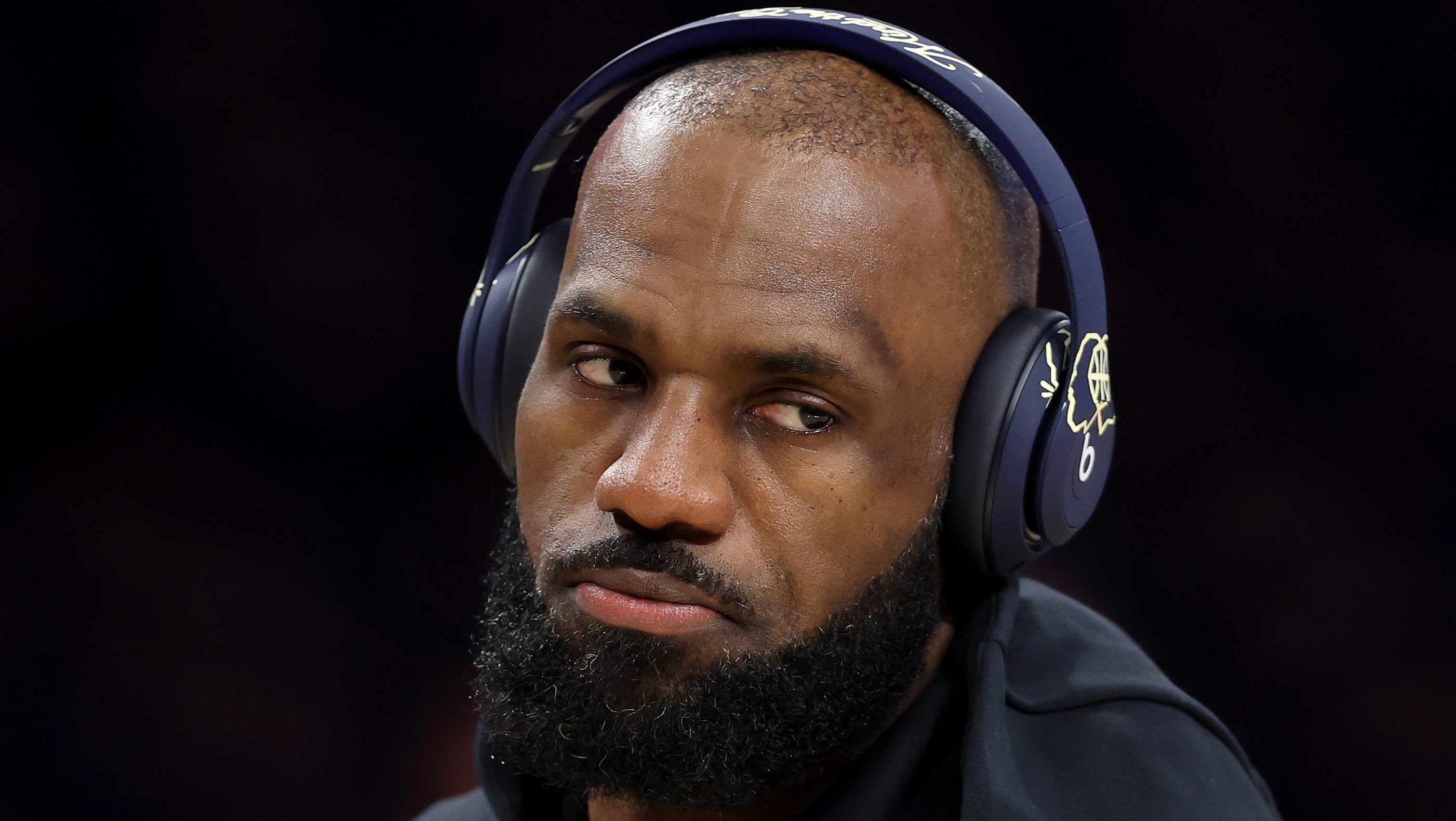
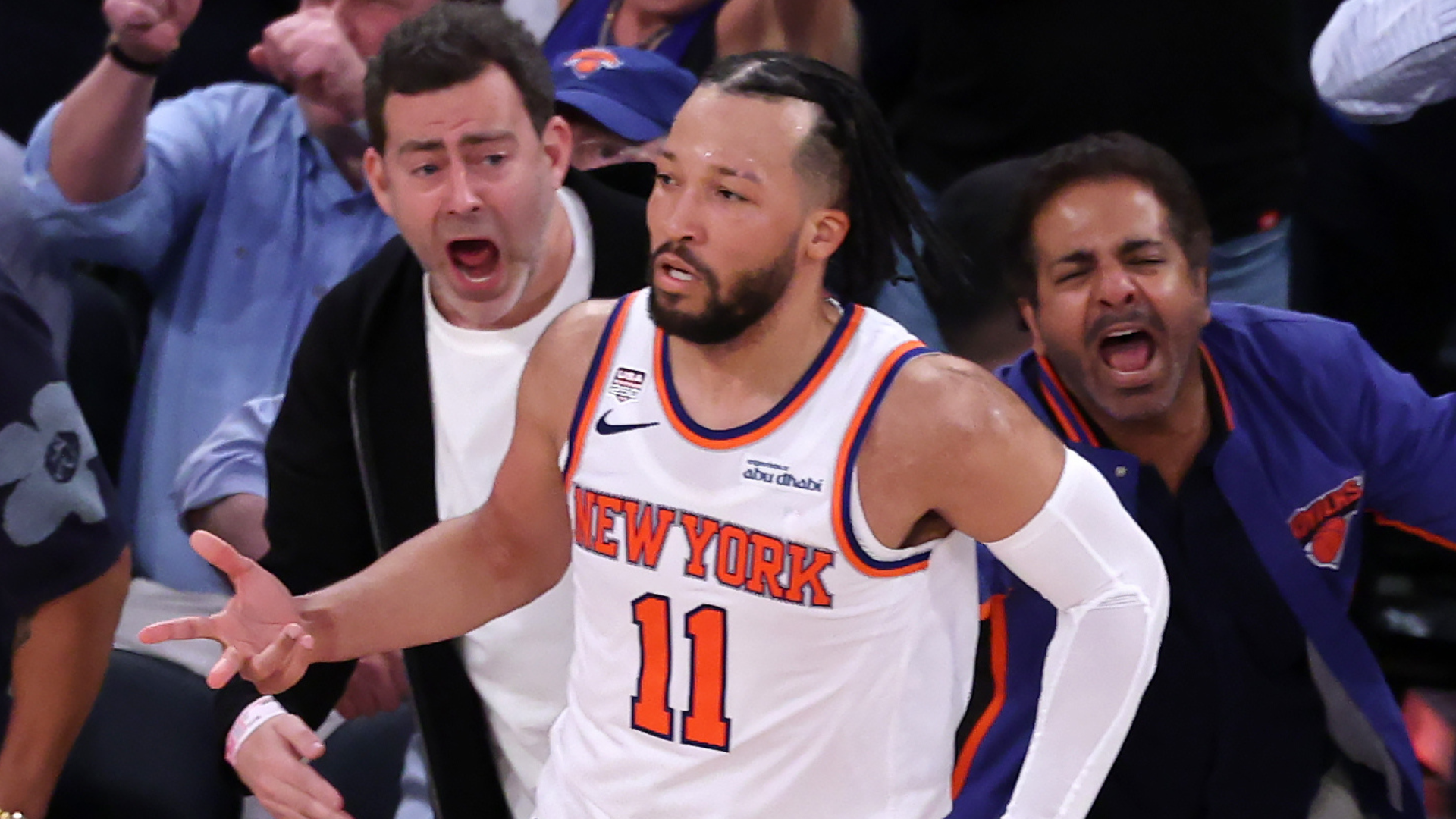
Even if LeBron departs, the team could generate roughly $51 million in cap space after accounting for Austin Reaves’ free-agent hold, according to industry estimates. This financial flexibility would support major moves or a strategic mix of high-profile signings and cost-controlled talent.
Another big lever for Los Angeles is its draft capital. The Lakers will control three tradable first-round picks in 2026, 2031, and 2033, enabling a blockbuster trade for a superstar or a measured infusion of young, inexpensive players to sustain long-term flexibility.
In draft projections, the Lakers are anticipated to pursue a versatile frontcourt piece with high defensive upside. One mock scenario envisions selecting a Michigan big man known for efficiency, interior defense, and switchable perimeter potential, fitting the team’s need for physical defense and rebounding alongside star talent.
Defensive fit remains a priority. The prospect’s presence would address interior physicality and help stabilize a unit that currently ranks poorly in defensive metrics. While his offensive versatility may be limited, the player’s defense, rebounding, and ability to complement Luka Doncic and a re-signed Austin Reaves could be valuable.
Front-office strategy also includes strengthening the draft operation, with recent hires signaling a focus on smarter talent acquisition and roster development. The Lakers’ flexibility—whether via major trades or strategic drafting—positions them to reshape the roster around core stars while maintaining future adaptability.
Ultimately, the team could pursue multiple pathways this offseason: a blockbuster trade leveraging draft capital, targeted free-agent moves, or a well-constructed draft-and-develop approach to add a long-term, cost-controlled contributor who can anchor the frontcourt and bolster defensive identity.