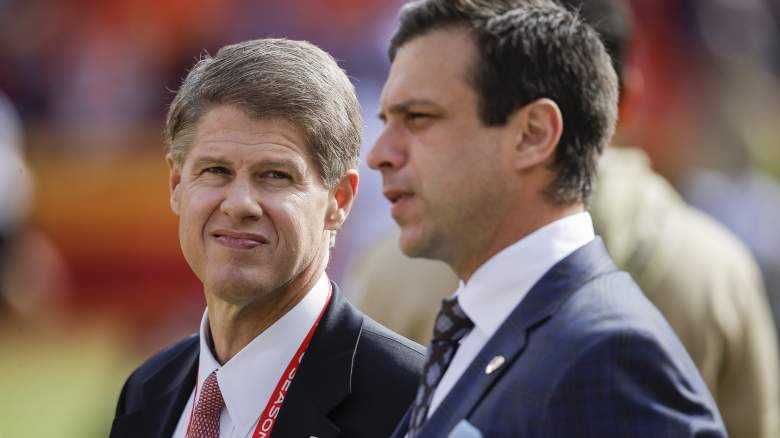
Bears owner George McCaskey and general manager Ryan Poles publicly argued that the organization had adhered to the spirit and letter of the NFL’s diversity initiative in developing Cunningham, who was hired away by the Falcons in January. Despite their appeals and sustained debate, the NFL upheld its initial finding that no compensatory picks are warranted.
The decision shifts the conversation surrounding the Rooney Rule and the league’s compensation framework, prompting questions about how the rule is applied to executive-level moves. Critics and supporters alike weighed in on the implications for minority advancement and front-office mobility within the league.
Poles emphasized that Cunningham’s career progression remains a positive outcome for him and his new role with Atlanta, reiterating that compensation is not a factor in their congratulations. Bears leadership maintained that they would continue to focus on building their roster and preparing for the upcoming draft without the anticipated picks.
Reaction from within the Bears organization and among analysts suggests the ruling could prompt a broader discussion about the rule’s clarity and enforcement. ESPN commentators and team voices alike characterized the decision as a test case for how such executive hires are categorized under current NFL policy.
With the decision final, Chicago will press on toward the 2026 NFL Draft without compensatory selections. The Bears’ front office and scouting staff will proceed under the existing framework, refining their approach as they evaluate prospects and build the roster for the upcoming season.