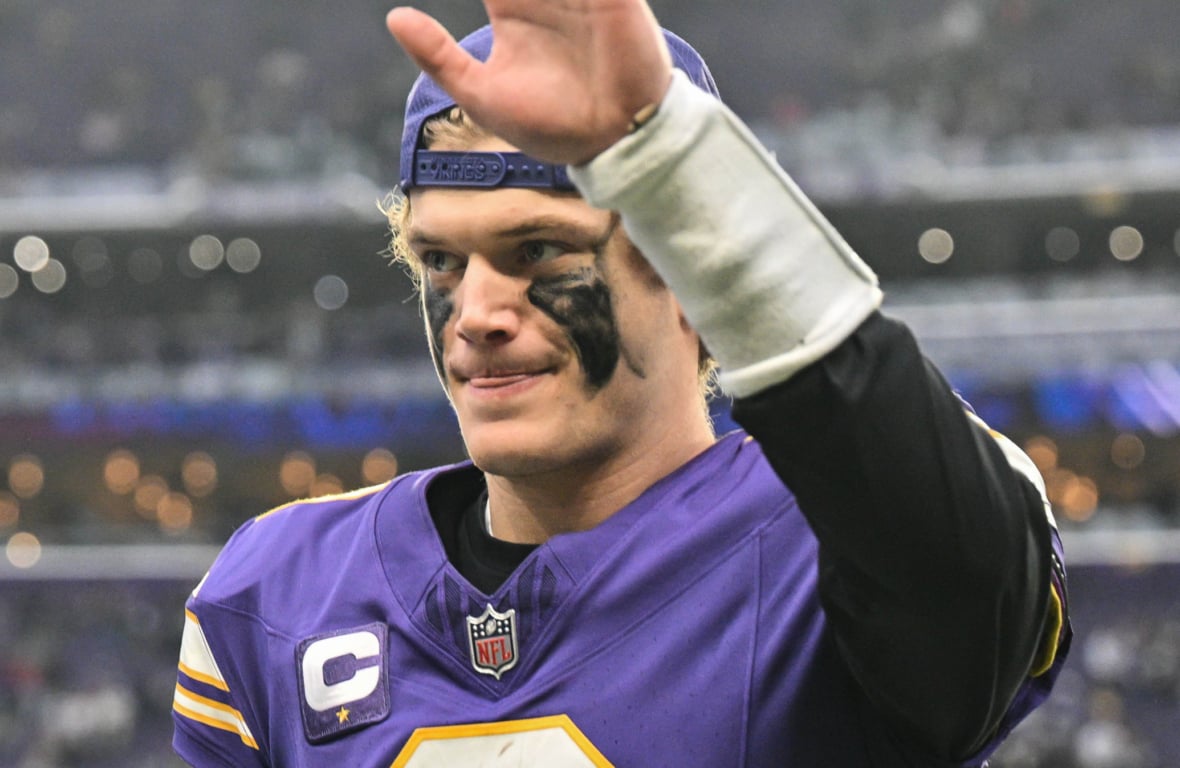
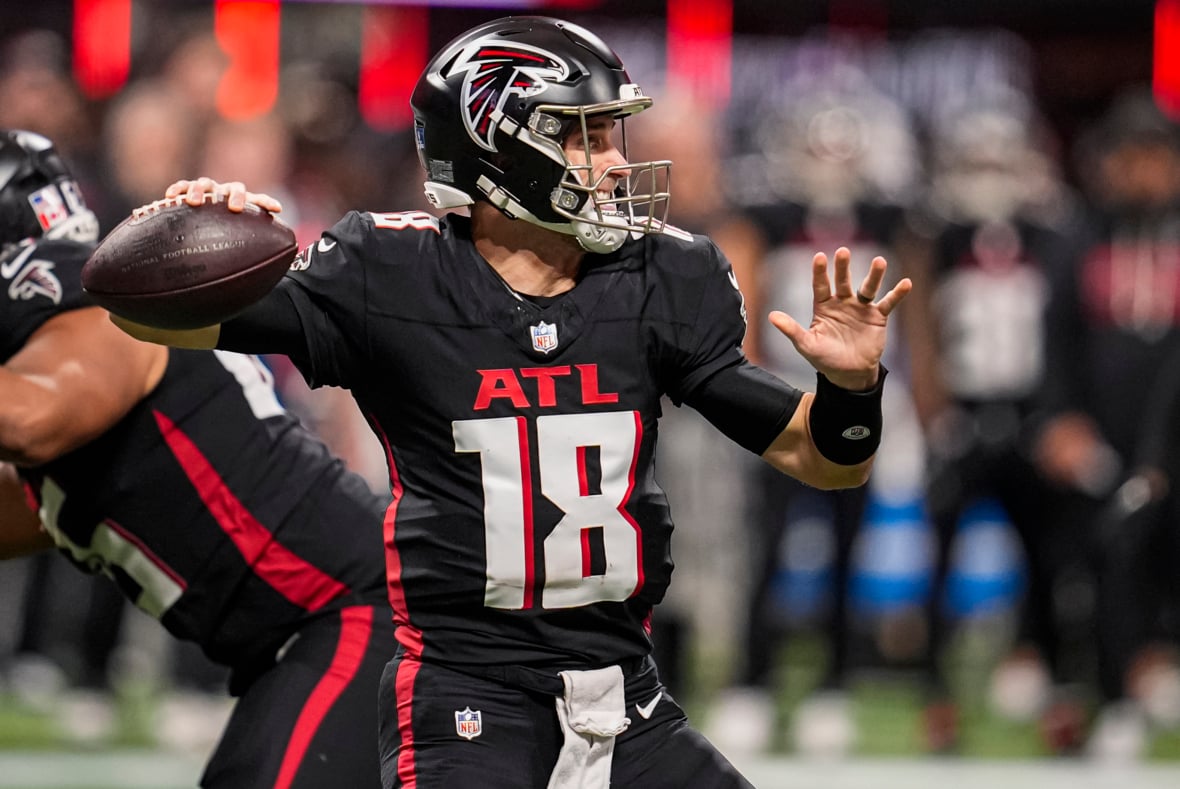
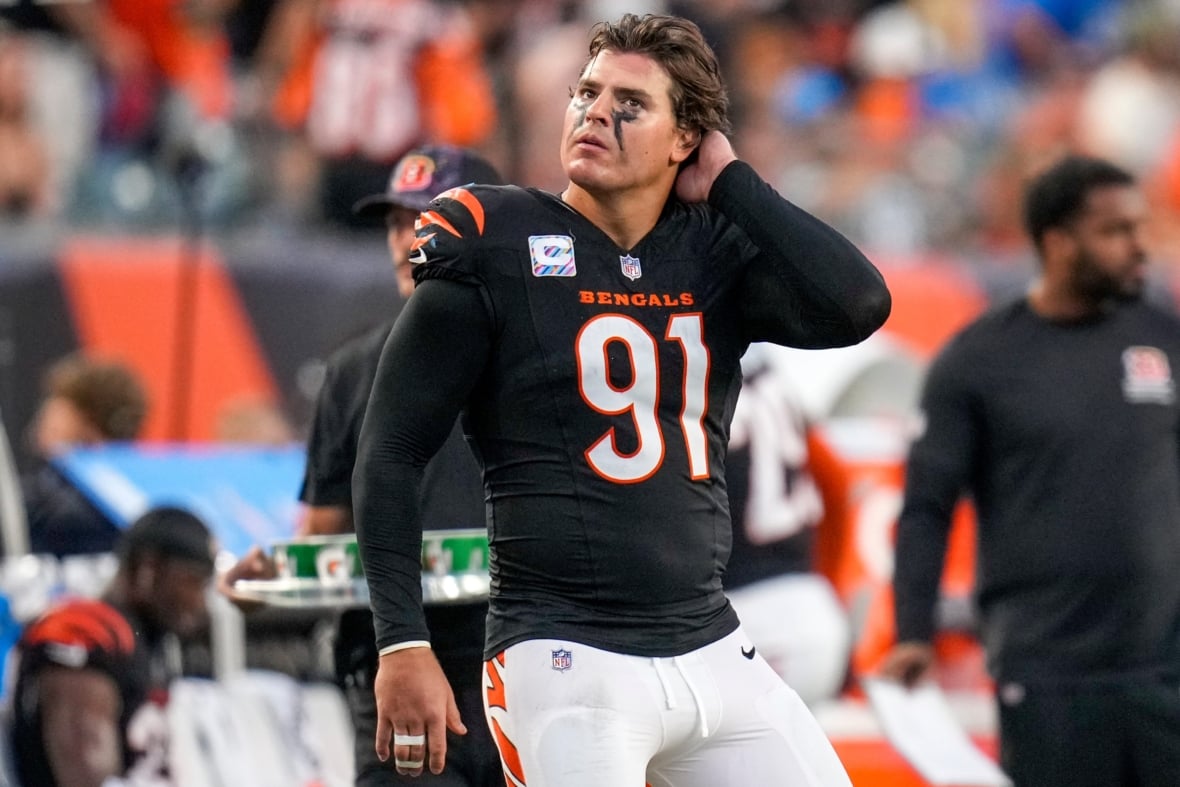
1) Las Vegas Raiders: Fernando Mendoza, QB, Indiana. With offensive-line and receiver help already addressed, Mendoza’s development in Klint Kubiak’s system appears increasingly feasible, provided they secure a veteran backup to stabilize the rookie in year one.
2) New York Jets: Arvell Reese, EDGE, Ohio State. Following a trade of Jermaine Johnson, the Jets must replenish their pass rush. Reese’s length and versatility give him potential as a frontline weapon on the edge or as a disruptive inside-heightened presence.
3) Arizona Cardinals: Rueben Bain Jr., EDGE, Miami (FL). The Cardinals add a high-upside disruptor to join their existing front, leveraging Bain’s pass-rush upside to complement their defensive schematics.
4) Tennessee Titans: Jeremiyah Love, RB, Notre Dame. The Titans opt for the best available offensive upgrade, potentially transforming the backfield dynamics as they bolster their line and play-caller options for Cam Ward’s development.
5) New York Giants: Caleb Downs, S, Ohio State. Downs offers positional versatility and chess-piece value in a safety-first defense, potentially providing long-term stability alongside an already strong safety group.
6) Cleveland Browns: David Bailey, EDGE, Texas Tech. Bailey would give Cleveland a dynamic counterbalance to Myles Garrett, providing structural thickness and a recurrent double-edge threat in a defense built for pressure.
7) Washington Commanders: Carnell Tate, WR, Ohio State. Tate’s polished route-running and playmaking ability could help offset the uncertain status of Deebo Samuel’s future, delivering immediate offensive impact in Washington’s system.
The remaining selections in this 32-team projection emphasize continued emphasis on trenches, coverage, and playmaking versatility across the draft’s early and mid rounds. As teams finalize evaluations and medicals, these names represent a balanced mix of high floor, high ceiling, and positional value, aimed at strengthening rosters for the 2026 season and beyond.