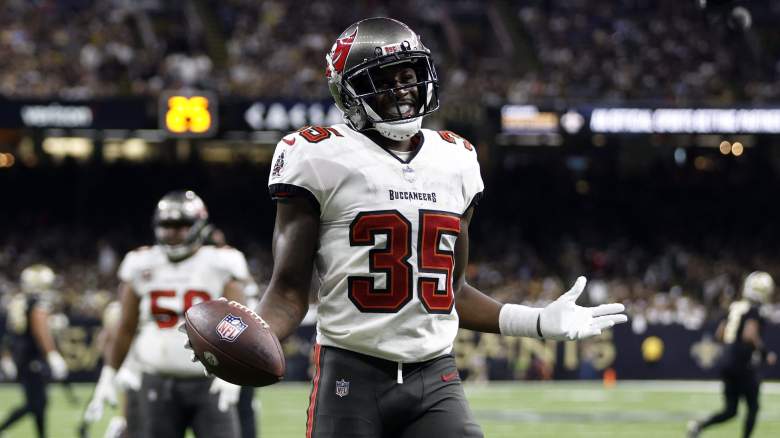
Moore, entering his ninth NFL season, has spent five years with the Panthers and the last three with the Bears. Last year he posted 682 receiving yards and six touchdowns across 17 games, a representation of solid production that the Bills believe can contribute immediately.
The trade appears to alter potential plans for other top receivers. It is reported that Buffalo had been eyeing A.J. Brown, but the acquisition of Moore effectively rules them out of the Brown sweepstakes, according to sources familiar with the discussions. The Bills’ front office carefully weighed the cost of a high draft pick against Moore’s cap impact and production profile.
Moore is set to turn 29 next month and carries a substantial contract, with a $24 million cap hit per season through 2029. Buffalo holds the option to release him after this season to manage finances, but the move suggests a preference for upgrading the offense rather than preserving cap flexibility in the short term.
The Bills have publicly signaled a readiness to go all-in after a season that ended without a Super Bowl appearance. After firing head coach Sean McDermott, Buffalo promoted offensive coordinator Joe Brady to lead the team, underscoring a broader shift aimed at maximizing quarterback Josh Allen’s window as he approaches his 30s.
As the offseason progresses, Buffalo faces questions about further moves and potential acquisitions, including whether they will pursue additional trades or target key players to bolster their roster ahead of the 2026 NFL Draft. The Moore trade positions the Bills as aggressive contenders in a competitive wide receiver market.